Don’t Let Fall Affect Your Skin
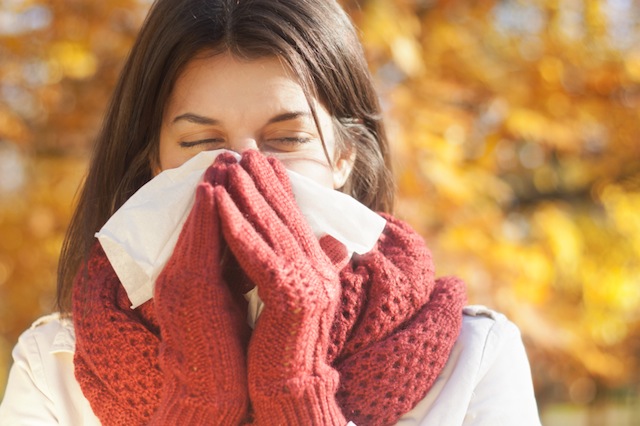
The fall season is often referred to as a time of change. As the leaves change colors and the new season begins, most women don’t realize the impact autumn will have on their skin. The common misconception is that you should start worrying about your skin when the cold weather hits. But, if you wait until the winter to improve your skincare regimen, you may be too late. Seasonal fall allergies, including ragweed, can be just as damaging as more commonly recognizable spring allergens.
Changes in your skin during the fall months can be triggered by multiple factors. The two most common factors include: the onset of colder temperatures in combination with changing humidity levels that disrupt your skin’s natural balance, and increased exposure to allergens such as ragweed and molds.


While fall allergies can be tough on your skin, they shouldn’t be cause for distress. With three simple steps – identification, prevention and covering up without additional irritation – you can prevent potential reactions this season.
Identifying Potential Symptoms
In order to combat the potential effects of fall allergens, it’s important to understand the symptoms. Allergen-induced skin reactions come in many forms. For some, symptoms during the fall months may be mild. Itchy patches, redness, puffiness, flaking and peeling skin are all signs of potential allergic reactions. More severe symptoms, which typically indicate a high-sensitivity to a particular allergen, include swelling, itching, hives and other rashes or breakouts.
MORE: Skin Care 101: How to Change Your Skin Care Routine For Fall
Taking Preventative Care
There are several steps you can take to avoid allergy-induced symptoms. Always remember to wash your hands and face and change your clothes after spending time outdoors, particularly during peak pollen times between 10 a.m. and 4 p.m. Make sure you keep windows closed, as pollen from outside can travel indoors. For ragweed and mold specifically, consider using an air purifier with a HEPA filter. And, make sure that you moisturize often. Harsher weather can cause increased skin irritation, so as the cold weather sets in, opt for a more potent hypoallergenic moisturizer.
Covering Up without Causing Additional Irritation
When skin reactions develop, makeup that is used to mask the problem can also exasperate it. There are easy fixes you can take to ensure that your makeup isn’t the root cause. Keep your makeup fresh: powder products tend to last for a year or longer, liquid products such as eyeliner and mascara should be tossed after two to three months. Liquid foundation and cream-based products should be discarded after six months, and lipstick after one year.
MORE: 8 Body Butters to Keep Your Skin Hydrated This Fall
Also be cognizant of any fragrances and preservatives, which are a common cause of skin reactions. These can be found everywhere from lip-gloss to lotion to even soap bars. If you’re unsure, a general rule of thumb is if a product contains water, it will also likely contain a preservative. Fragrance additives are used to mask the smell of chemicals. Even if a product is labeled as “unscented” it can still contain fragrance. Look for products labeled “fragrance free” or “perfume free” products.
As the colder weather sets in, simple tweaks to your daily routine can build an enormous defense against the potential adverse effects the environment can have on your skin. When your fall allergies escalate, it’s important to see an allergist, who can help you identify which specific triggers are causing the reaction. So, for this fall season prioritize your skin, recognize potential allergenic triggers and be mindful or you skin hygiene.
Dr. Kuriakose is dual board certified in Allergy and Immunology and Internal Medicine. She is co-founder of Hudson Allergy and a faculty member at New York Presbyterian/Cornell Weill and a Clinical Instructor in Medicine at Columbia University College of Physicians and Surgeons/New York Presbyterian.
Image via Istock