11 Best Sunscreens for Acne-Prone Skin That Won’t Cause Breakouts
All products and services featured are independently chosen by editors. However, StyleCaster may receive a commission on orders placed through its retail links, and the retailer may receive certain auditable data for accounting purposes.
Stop right where you are! We’re the sunscreen police, here to remind you that applying SPF 30 (or higher, ideally) daily is a non-negotiable part of your skincare routine. Preventive-wise, nothing fends off premature signs of aging — think, fine lines, wrinkles, and dark spots — sun damage and irritation like sunscreen. The problem? Many people with acne-prone skin still skip the crucial step even though they know the benefits due to the not-so-fun effects (aka breakouts, excess shine, and clogged pores) that specific SPF formulas have on their skin type. Thankfully, it’s 2026, and there are plenty of sunscreens for acne-prone skin that are formulated to not clog pores.


Best Sunscreen for Acne-Prone Skin, at a Glance
- Best Overall: EltaMD UV Clear Blemish-Prone & Oil Balancing SPF 50, $49
- Best Mineral & Chemical Sunscreen: EltaMD UV Clear Broad-Spectrum SPF 46, $45
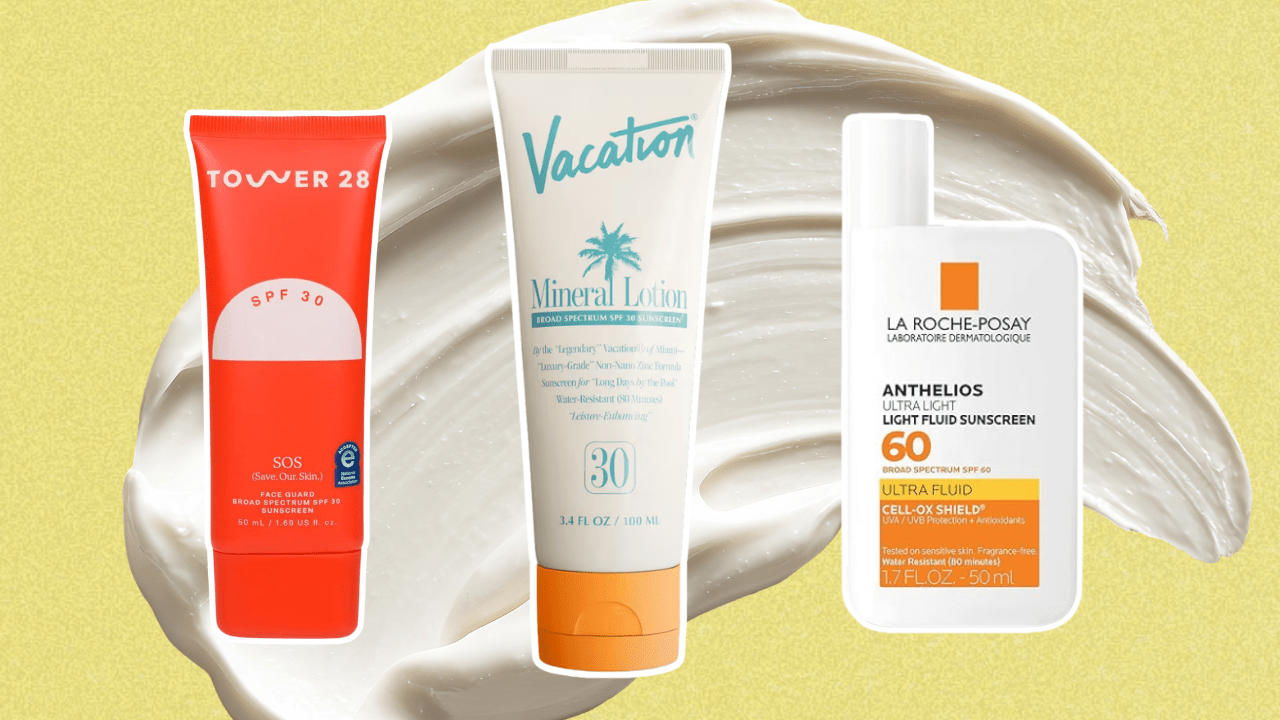
- Best Drugstore Sunscreen: La Roche-Posay Anthelios Light Fluid Face Sunscreen Broad Spectrum SPF 60 , $28
- Best Anti-Aging Sunscreen: ISDIN Eryfotona Ageless Sunscreen SPF 50+
- Best Budget-Friendly Sunscreen: Neutrogena Clear Face Liquid Sunscreen Lotion, $12
- Best Trendy Sunscreen: Supergoop! Unseen Sunscreen SPF 40, $40
- Best Sunscreen Stick: Colorescience Sunforgettable Total Protection Sport Stick SPF 50 , $39
- Best-Smelling Sunscreen: Vacation Mineral Lotion SPF 30 Sunscreen, $18
- Best Consistency: Summer Fridays ShadeDrops Broad Spectrum SPF 50 Mineral Milk Sunscreen, $38
Not sure where to start? Don’t worry — we’ve rounded up the best sunscreens for acne that will keep pimples at bay. And, ofc, we got the lowdown from board-certified dermatologists Dr. Brendan Camp of MDCS Dermatology and Dr. Jeannette Graf, Assistant Clinical Professor of Dermatology at Mt. Sinai School of Medicine, to help you figure out why your skin is breaking out, and how to choose the best sunscreen formula for your skin and lifestyle.
Why Does My Sunscreen Make My Face Break Out?
“Sunscreen can clog pores because it sits on the surface of your skin,” Dr. Graf says. The combination of a sunscreen that is formulated with heavy, pore-clogging ingredients mixed with oil, makeup, dirt, and dead skin cells can cause blockages in your pores, which can result in the formation of acne.
How to Choose the Best Sunscreen for Acne-Prone Skin
SPF 30 or higher: For everyday use, our experts reccomend using at least SPF 30. According to the Skin Cancer Foundation, SPF 30 blocks about 97 percent of the sun’s rays, so using a lower SPF than that offers less protection. If you’ll be spending extra time outdoors where you’re more likely to have direct exposure to sunlight, consider using SPF 50 or higher for more protection.
Consider going oil and fragrance-free: “Coconut oil, cocoa butter, mineral oil, and waxes like beeswax can potentially clog pores and cause acne,” says Dr. Camp. He recommends looking for sunscreens that are oil-free or contain lightweight, non-comedogenic oils, such as jojoba, sunflower, grapeseed, or rosehip oils. Dr. Graf also suggests considering fragrance-free sunscreens if you have acne-prone skin, as fragrance can be irritating and cause your skin to “produce more oil” than you’d like.
Look for certain keywords on the label: We totally get it — not everyone has the time to analyze every single ingredient on the back of the bottle. But make sure to keep an eye out for a few keywords, like “mattifying,” “oil-absorbing,” “pore-minimizing,” “non-shiny,” and “blurring.” They’re often found on the labels, packaging, and/or product descriptions for sunscreens that are formulated with oily skin in mind.
Choose a lightweight formula: According to our experts, gel sunscreens, sheer cream sunscreens, serum sunscreens, and powder sunscreens are great options for oily skin. But remember — sunscreen in powder form should not be used in place of your regular SPF. “A good rule of thumb is to always use a liquid-based SPF since it provides more broad coverage. Powder formulas are great supplements to a liquid SPF and good to use in between re-applications,” says Dr. Graf.
Ultimately, the formula you choose — chemical-only, mineral-only, or a hybrid — comes down to personal preference and what feels good on your skin. Mineral sunscreens contain active ingredients zinc oxide or titanium dioxide that absorb extra oil and provide a matte finish, according to Dr. Graf. The ingredients used in mineral sunscreen are “generally better tolerated and are recommended for those with sensitive skin,” says Dr. Camp, as some filters used in chemical sunscreen can be a culprit for irritation.
Chemical sunscreens, which contain ingredients like octisalate, octocrylene, and avobenzone, can sometimes cause breakouts and irritation of acne-prone skin. However, chemical sunscreens tend to feel less heavy or tacky on oily skin, are easier to rub in, last longer if you are sweating or swimming, and don’t leave an ashy, white cast on very deep skin tones like mineral sunscreens can.
The Best Sunscreens That Won’t Make You Break Out
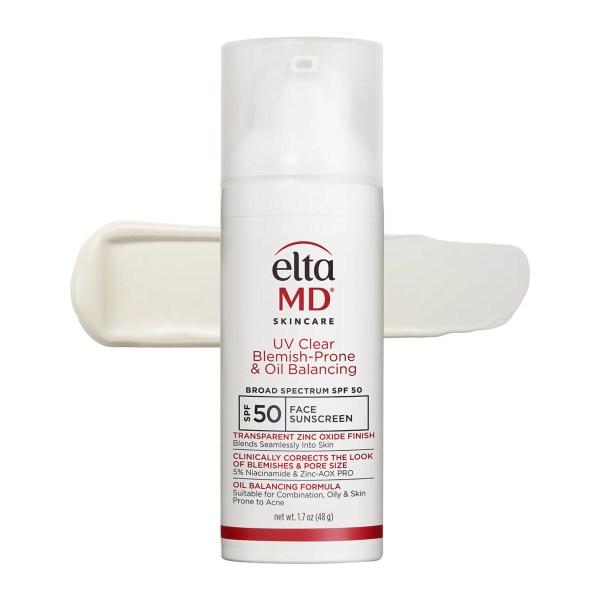
In addition to its lightweight consistency, the sunscreen is also non-comedogenic, non-greasy, and non-acnegenic. Plus, it’s formulated with 5% niacinamide and Zinc-AOX Pro Technology to actually reduce excess oil production, shrink pores, and keep breakouts at bay, as well as zinc oxide for its sun protection and anti-inflammatory properties.
Type: Mineral and chemical
SPF: 50
Oil-Free: Yes
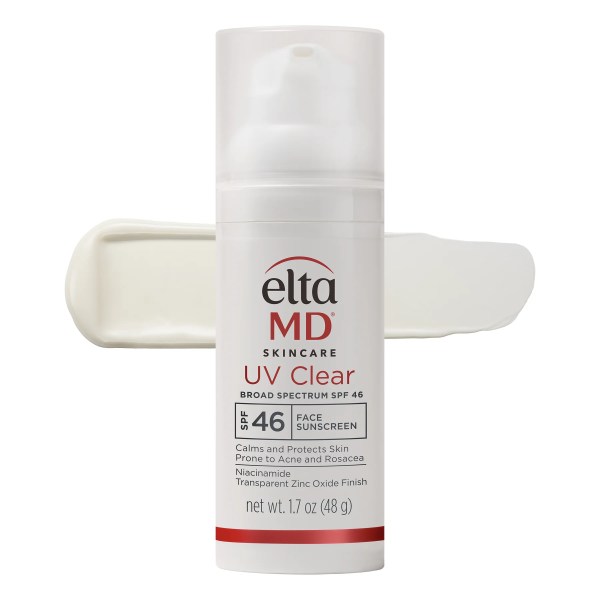
In addition to its zinc oxide inclusion, the formula also contains niacinamide, which is “a calming ingredient that is great for acne and rosacea-prone skin,” says Dr. Camp. If you’re experiencing a breakout or irritated skin, try this color-correction version .
“I’ve had this EltaMD sunscreen on regular rotation for years. While I don’t have acne-prone skin, I’m not completely immune to breakouts, and my sunscreen choice can sometimes be the culprit behind the occasional pimple. When I’m using this formula regularly, I don’t experience any breakouts, and my skin actually looks happier and glowier.”—Jessie Quinn, StyleCaster Contributing Writer
Type: Chemical and mineral
SPF: 46
Oil-Free: Yes
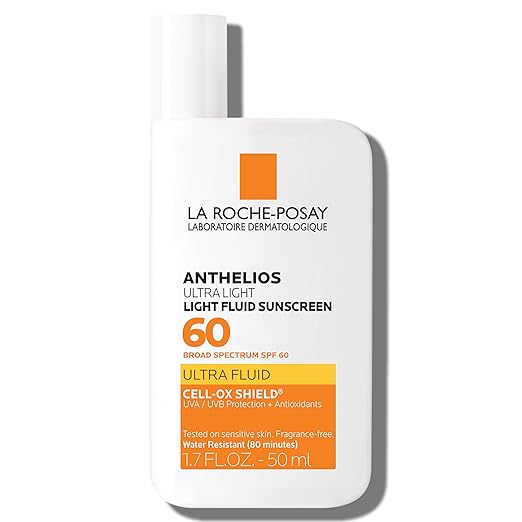
Type: Chemical
SPF: 60
Oil-Free: Yes
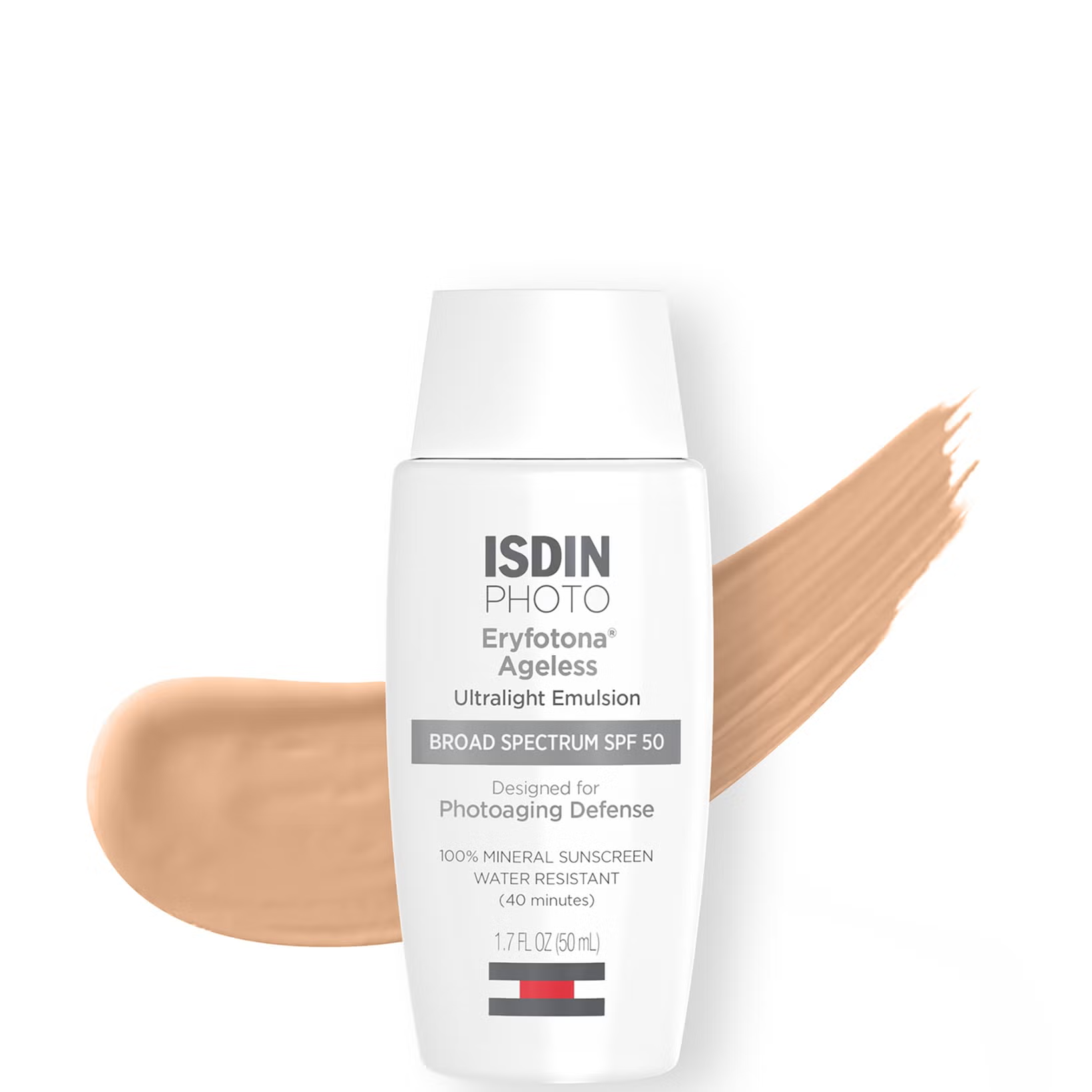
Type: Mineral
SPF: 50
Oil-Free: Yes
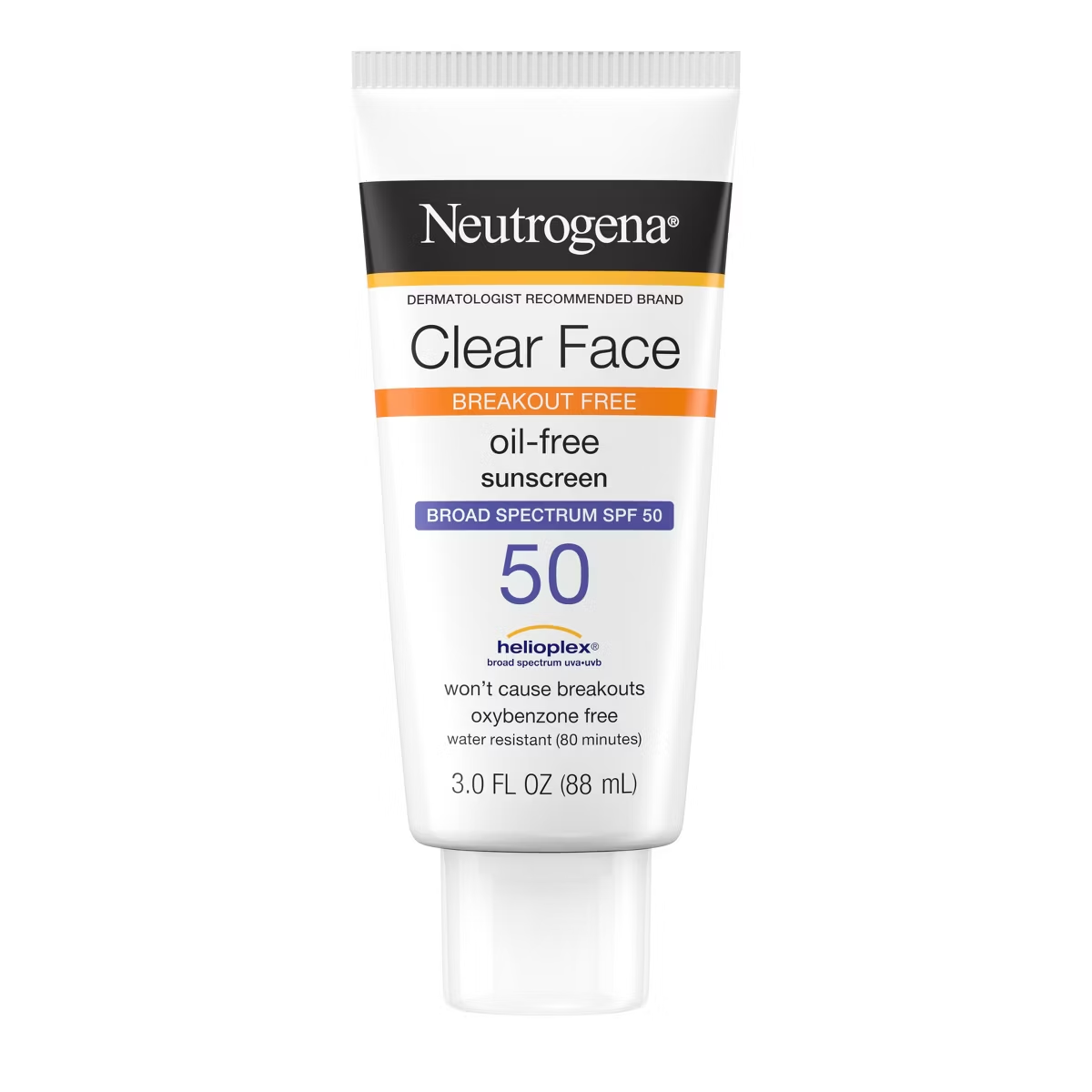
Type: Chemical
SPF: 50
Oil-Free: Yes
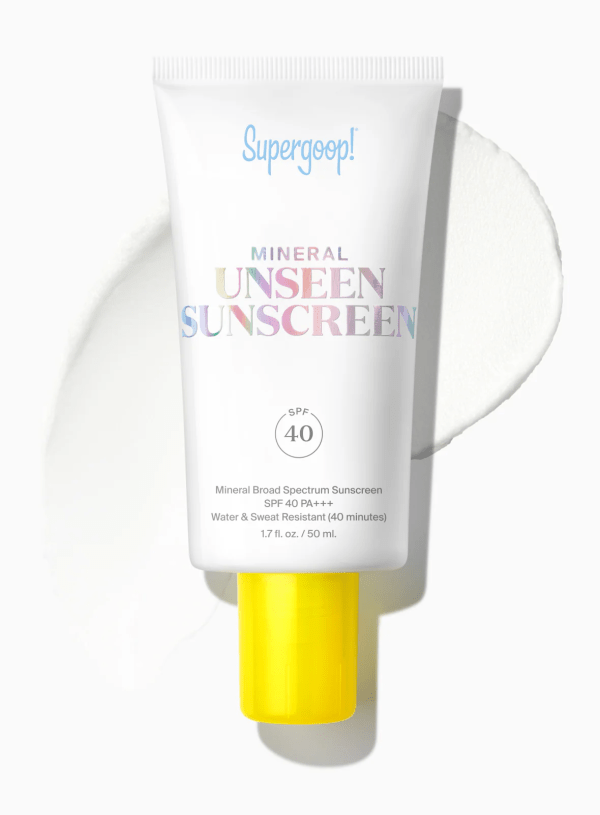
Type: Chemical
SPF: 40
Oil-Free: Yes
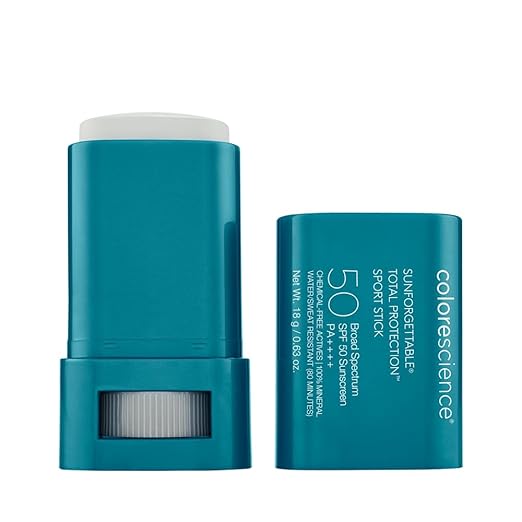
Type: Mineral
SPF: 50
Oil-Free: Yes
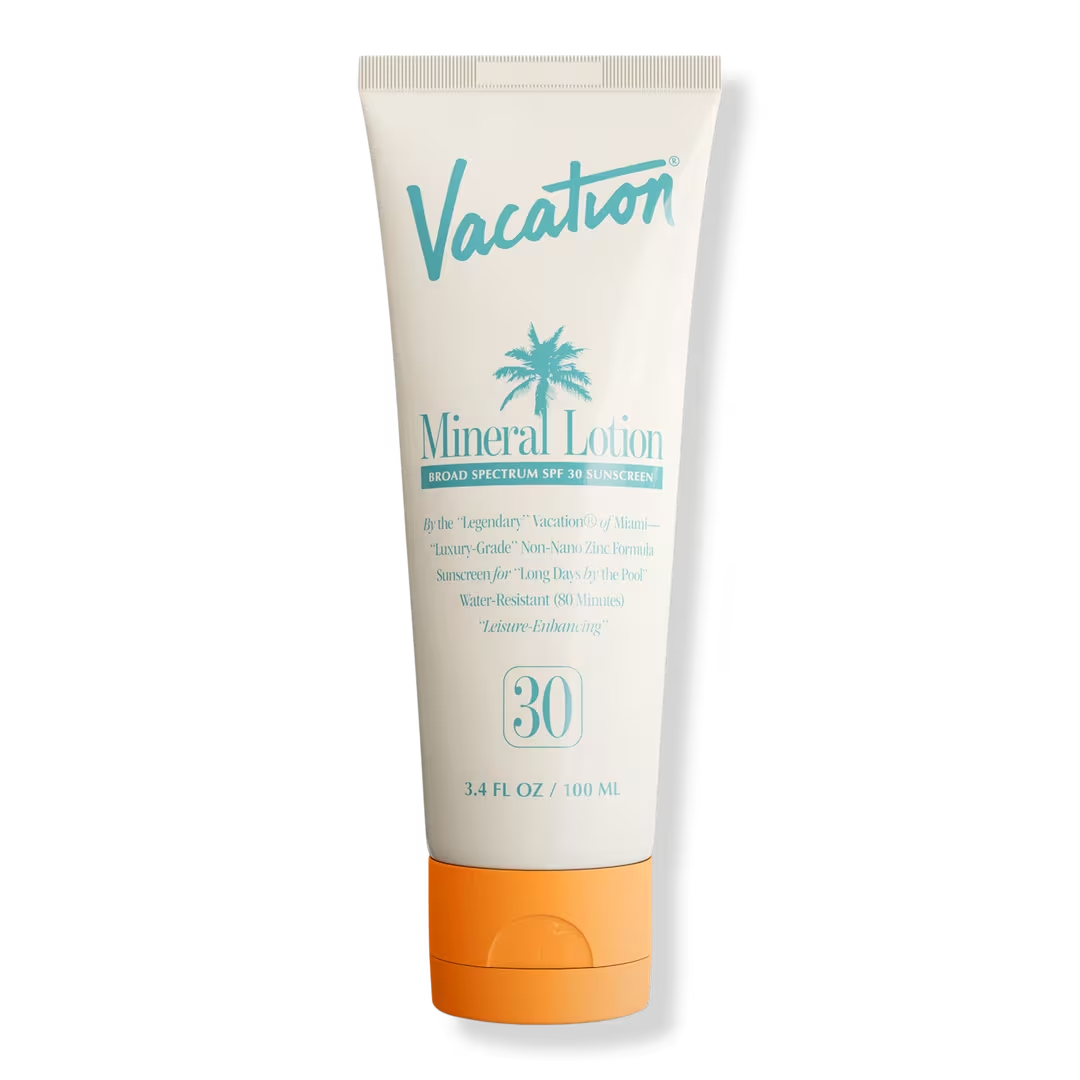
Type: Mineral
SPF: 30
Oil-Free: No
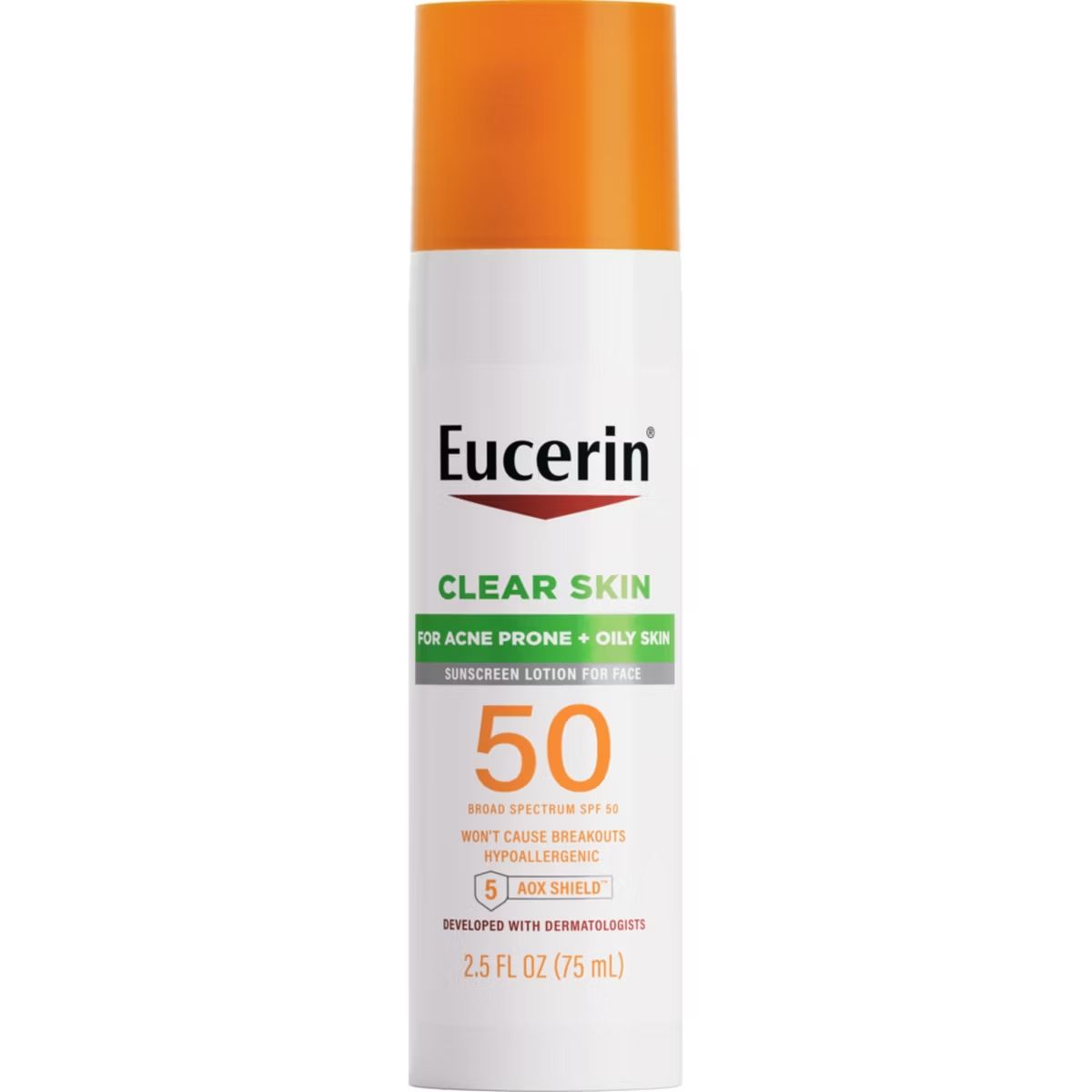
Type: Chemical
SPF: 50
Oil-Free: Yes
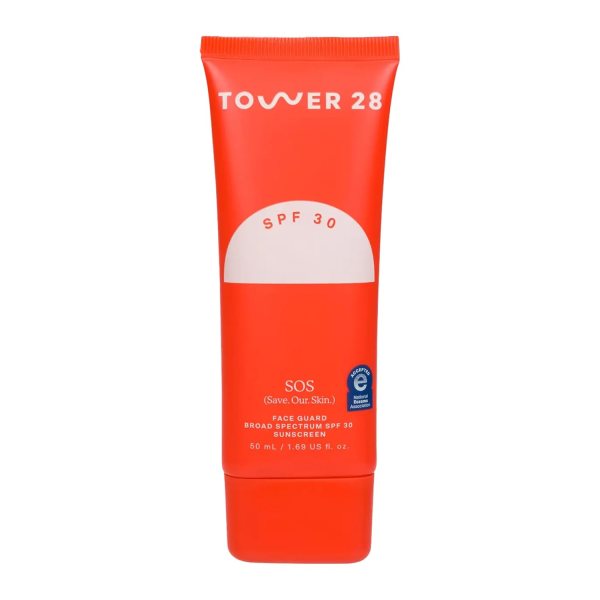
Type: Mineral
SPF: 30
Oil-Free: Yes
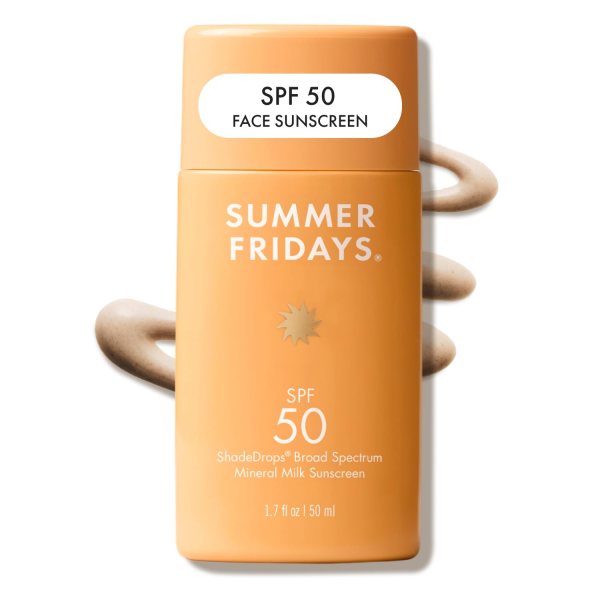
Type: Mineral
SPF: 50
Oil-Free: Yes